Are extended warranties worth it? Usually not, and here is why
The checkout upsell that costs more than the repairs it covers.
Every appliance checkout in the UK ends with the same offer: extend the warranty from one or two years to five for a fee. On a £400 washing machine the fee is typically £60 to £120. The question is whether that beats paying for repairs yourself.
What you already have
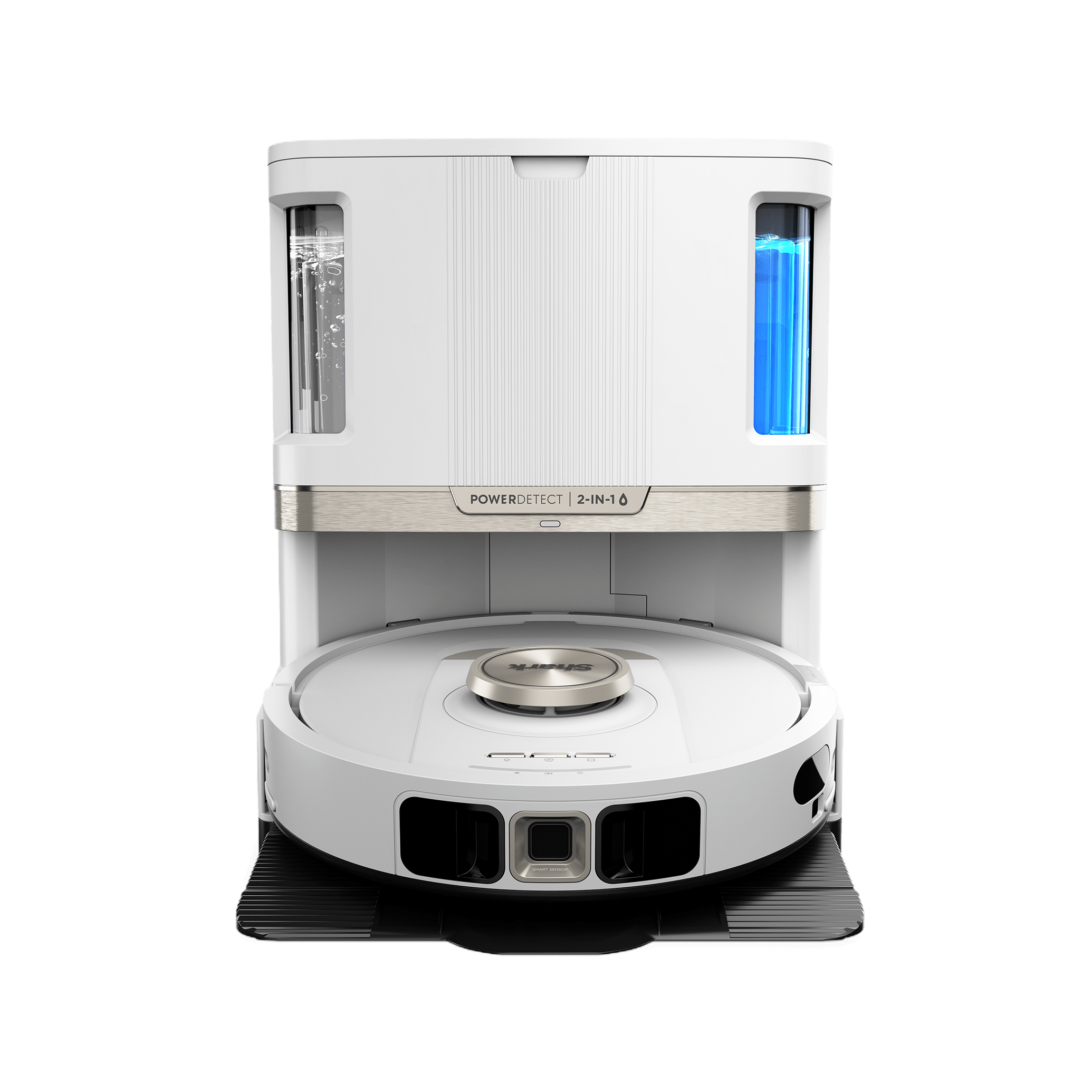
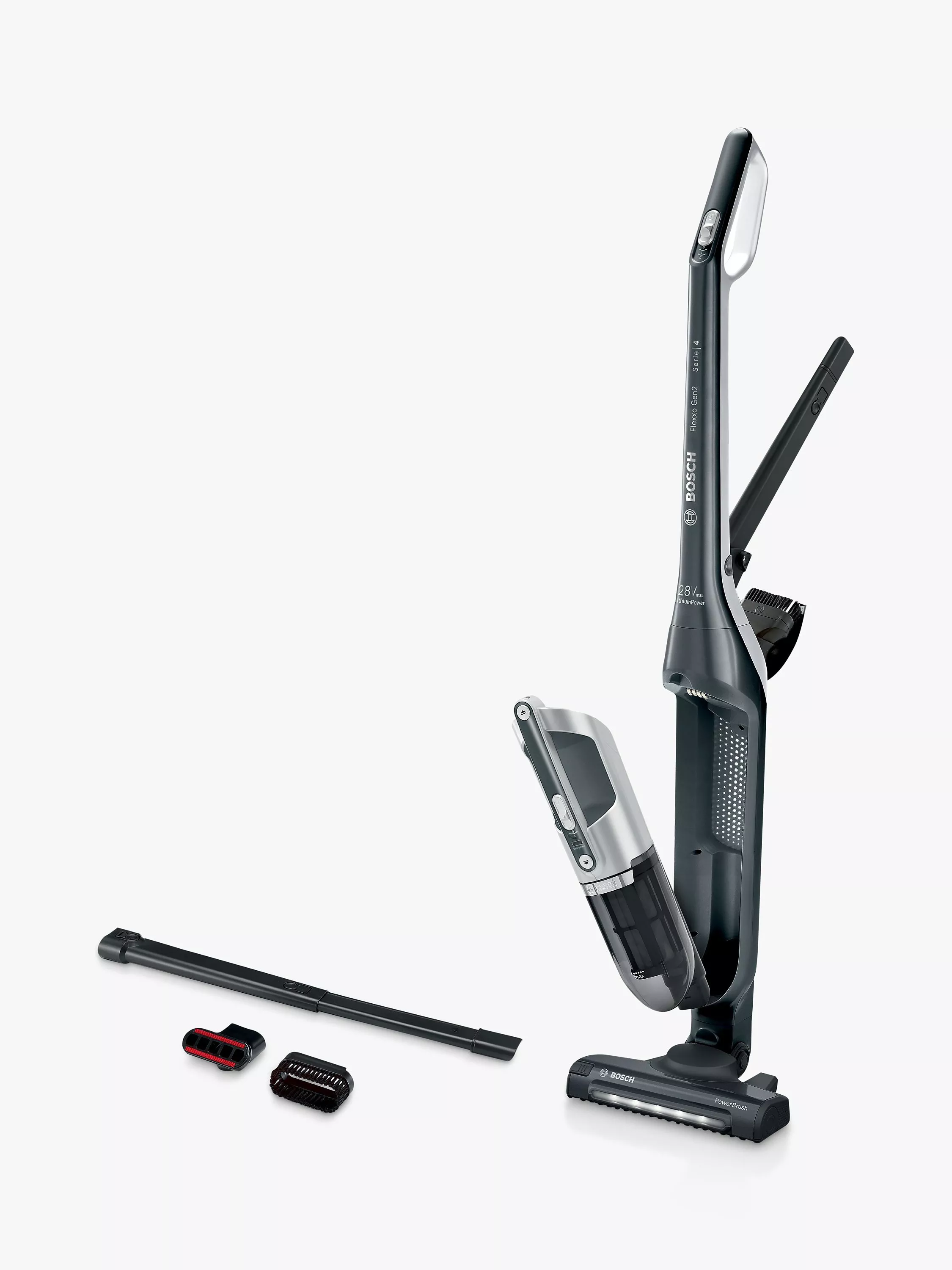
The manufacturer's guarantee is one or two years as standard, and many brands extend it free if you register the product online within a month: Bosch and Siemens to two years, Beko to a longer period on some ranges, Miele to five on selected models, Shark to five on vacuums. Check before you pay for something you may get for nothing.
The Consumer Rights Act separately gives you a claim against the retailer for up to six years if a product fails through an inherent fault. It's not a warranty and it needs pushing, but it exists.
What goes wrong
Modern appliances mostly fail in years one or two (manufacturing faults, covered) or after year seven (wear, outside any extended warranty anyway). The years three to five window that extended warranties cover is the reliable middle of most machines' lives. The insurer knows this; that's why the product is profitable.
When it can make sense
Expensive, complex machines with known weak points: American-style fridge freezers with ice dispensers, heat pump dryers, high-end coffee machines. And situations where a breakdown is a crisis rather than an inconvenience — a family with no second washing machine and no nearby laundrette. In those cases price the warranty against the cost of a repair (typically £80 to £150 for a call-out plus parts) and decide with the number in front of you.
The better move
Register the product for the free extension. Keep the receipt. Put the warranty fee in a jar. Over a kitchen's worth of appliances, the jar wins.
PriceDrop UK editorial · published 13 September 2026 · prices referenced were checked 19 Oct 2026