Black Friday 2026: what actually drops, and what only looks like it
The one sale event where the discounts are real, in some categories, if you were watching before.
Black Friday in the UK is the last Friday of November, and by now it's a fortnight, not a day. Whether it's worth waiting for depends entirely on what you're buying.
Where the discounts are real
Large appliances. Retailers use white goods as loss leaders. Washing machines, dishwashers and fridge freezers see genuine £50 to £150 cuts on mid-range models.
Televisions. Especially the current year's mid-range from Samsung, LG and Hisense. Real drops, though the previous year's model in spring is often cheaper still.
Storage and peripherals. SSDs, memory cards, headphones. Amazon and the specialists cut hard.
Own-brand and last-generation tech. Amazon's own devices, the previous iPad, the previous Pixel.
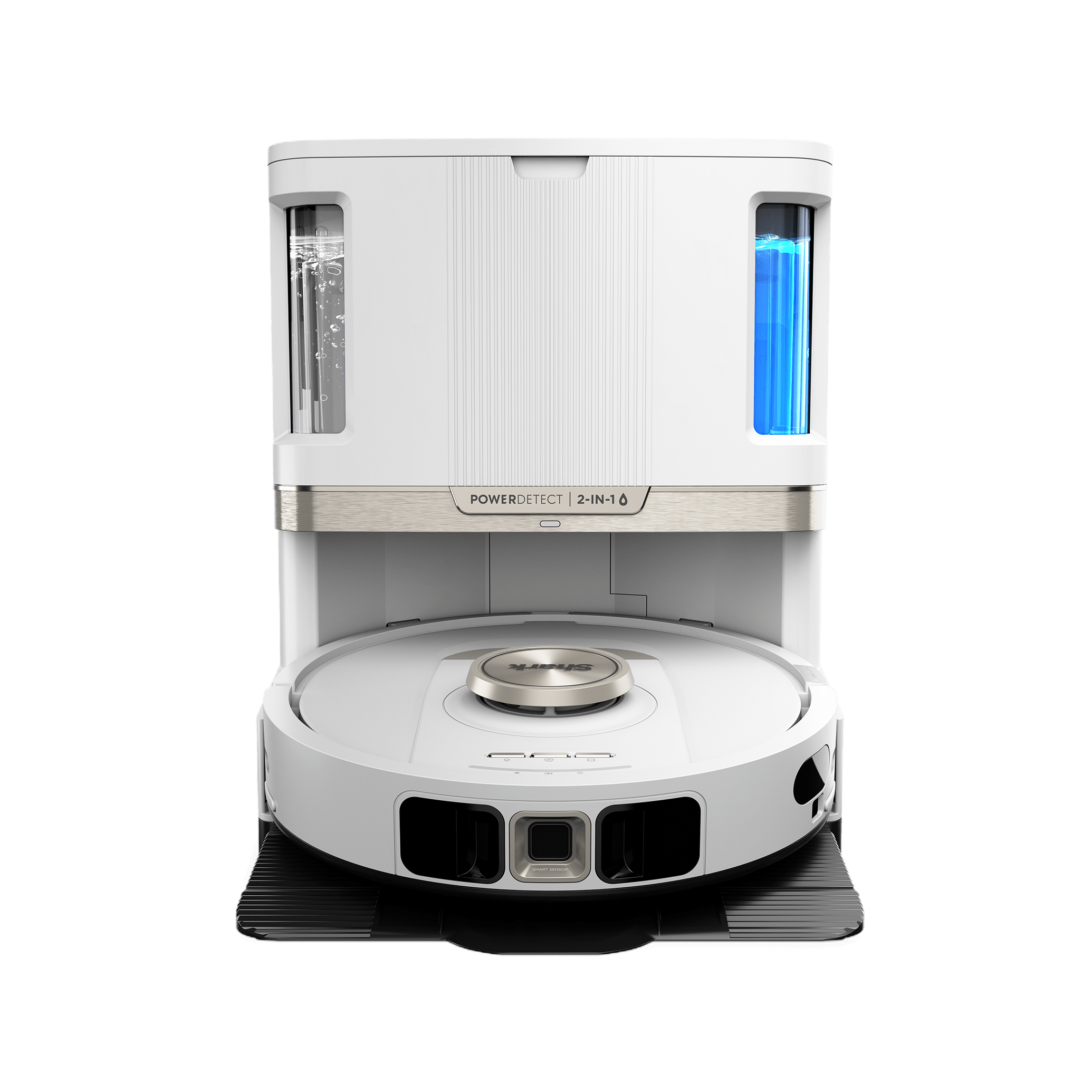
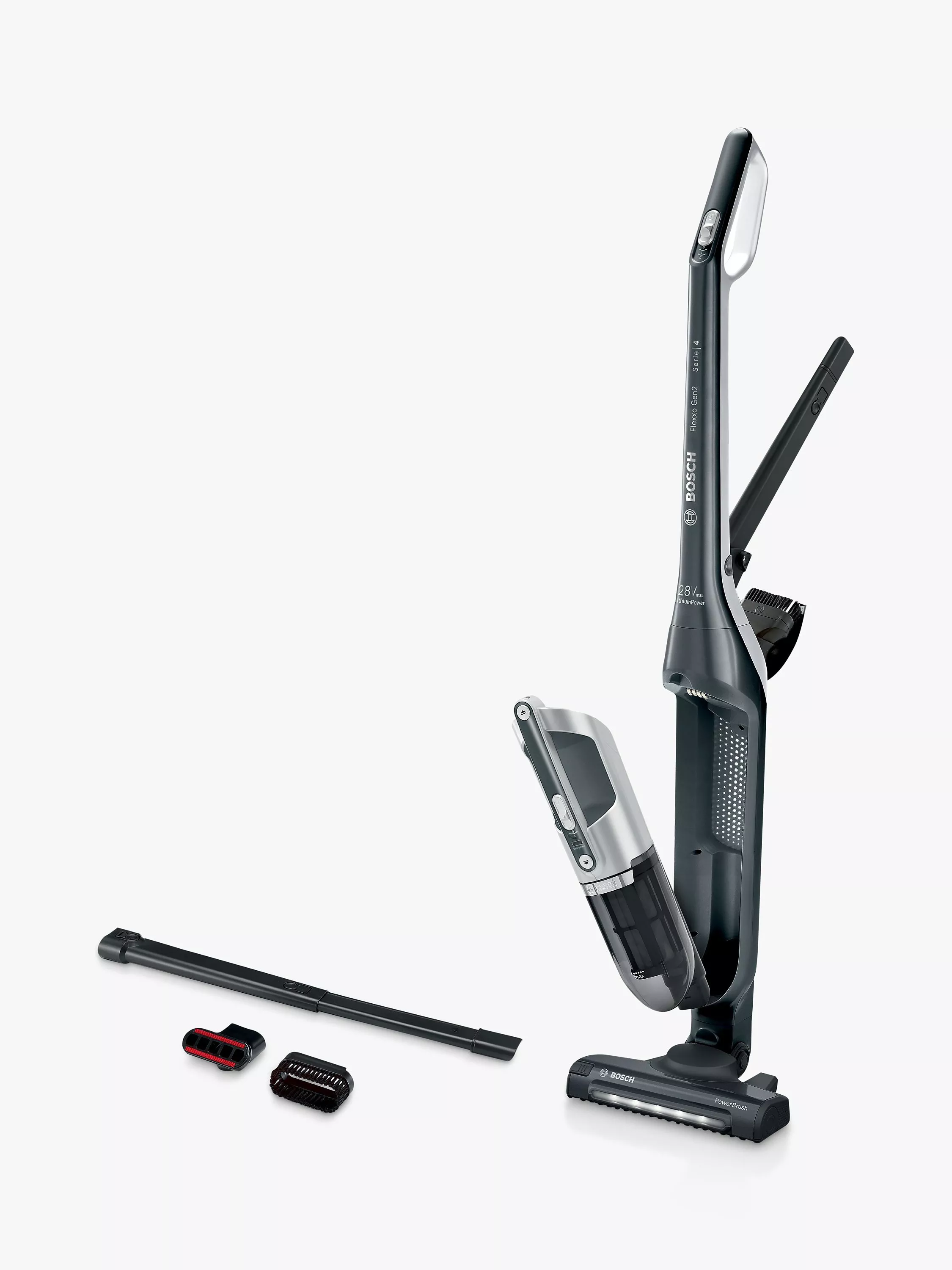
Vacuums. Shark and Dyson both discount, and Dyson rarely does otherwise.
Where it's mostly noise
Fashion watches and small kitchen appliances. The "was" price is inflated year-round; Black Friday's "70% off" is the everyday 55 made louder.
Current-generation consoles and graphics cards. They don't need to discount. Bundles appear; the hardware price barely moves.
Premium brands. Miele, Apple, Dyson's newest models. A few pounds, if anything.
How to tell
You can only judge a Black Friday price against what the product cost in October. That's the point of price history: every deal page on this site shows what the price has been, so a "lowest we've seen" on Black Friday is meaningful and a "same as last month" is a warning. Watch what you want now, and you'll know on the day.
The other dates
Boxing Day and January clearance are often as good on appliances and better on last-season stock. Prime Day in July is the tech equivalent. Spring range changes beat both on last-year appliances and televisions.
PriceDrop UK editorial · published 13 September 2026 · prices referenced were checked 19 Oct 2026